
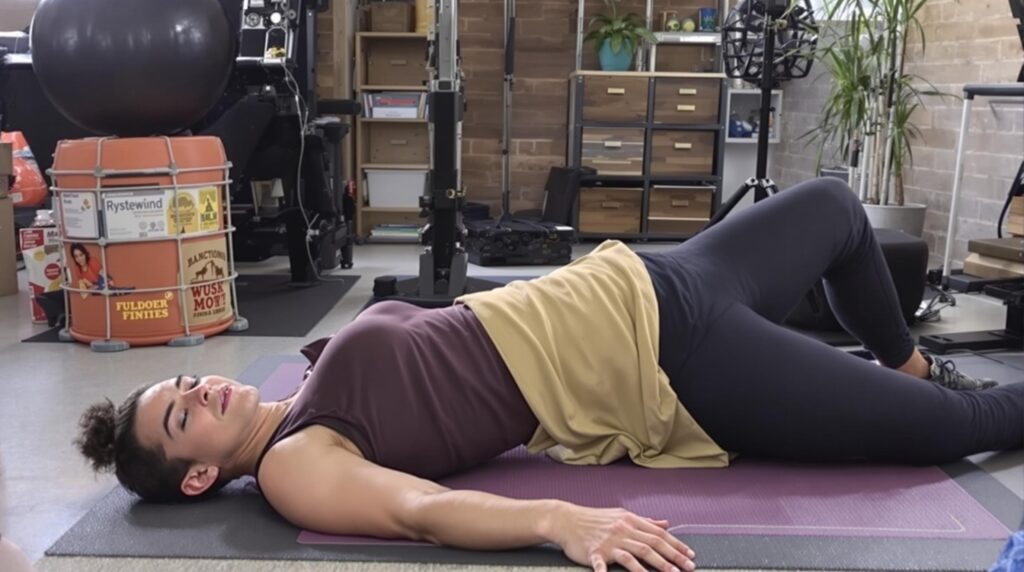
Floor exercises offer a unique opportunity to build functional strength and mobility without fancy equipment. Sitting floor exercises, in particular, engage your core, improve flexibility, and can be done almost anywhere, making them accessible for nearly everyone regardless of fitness level or available resources.
Key Takeaways
- Ground-based movements improve mobility by challenging the body in ways standing exercises cannot
- Floor exercises enhance natural movement patterns that modern lifestyles often neglect
- Regular practice of sitting floor exercises can reduce joint pain and improve overall body functionality
- These movements require minimal equipment but deliver maximum benefits for strength and flexibility
- Floor-based training creates a strong foundation for more advanced fitness pursuits
Why Floor-Based Training Matters
Modern lifestyles have drastically reduced our time spent on the ground. From chairs to couches to car seats, we’ve engineered our environment to minimize our contact with the floor. This shift has had unintended consequences for our mobility and strength. When we regularly practice sitting floor exercises, we engage muscles that typically remain dormant during our day-to-day activities.
Pro Tip: Equipment Matters
The quality of your equipment dramatically affects your workout results. See our equipment recommendations →
Floor exercises force us to support our own body weight in various positions, creating natural resistance that builds functional strength. Unlike machine-based gym workouts that isolate specific muscles, ground-based movements integrate multiple muscle groups simultaneously, mimicking the way our bodies naturally move in real-world situations.
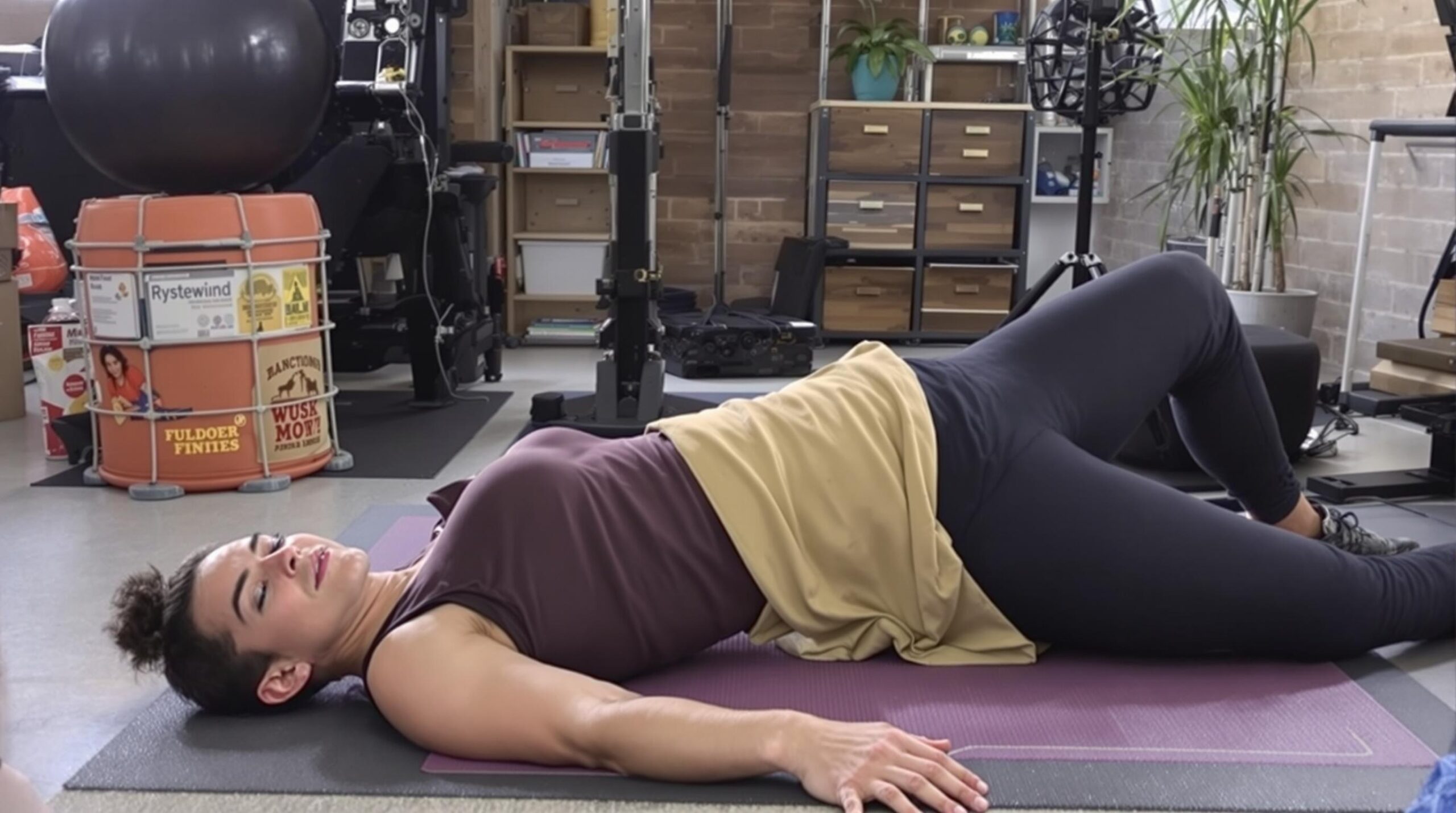
The Top 10 Sitting Floor Exercises
I’ve compiled a list of the most effective ground-based movements to incorporate into your fitness routine. These exercises require minimal space and equipment but deliver maximum benefits for mobility, strength, and overall fitness.
Here are the top 10 sitting floor exercises you can start practicing today:
- Seated Forward Fold – Sit with legs extended forward and reach toward your toes. This stretches the hamstrings and lower back while improving spinal flexibility.
- Butterfly Stretch – Sit with the soles of your feet together, knees out to the sides. This opens the hips and stretches the inner thighs.
- Seated Spinal Twist – Sit with one leg extended, the other crossed over. Twist your torso toward the bent knee to improve spinal mobility.
- Floor-Based Leg Raises – Lie on your back and lift legs up and down to strengthen core and hip flexors.
- Seated V-Up Hold – Balance on your sit bones with legs and torso raised to form a V-shape, engaging the entire core.
- Crab Reach – Start in a crab position (hands and feet on floor, belly up) and reach one arm overhead, activating posterior chain muscles.
- Seated Pike Press – From a seated position with legs forward, press your palms into the floor beside your hips to lift your body, strengthening arms and shoulders.
- Cross-Legged Hip Opener – Sit cross-legged and gently press knees toward the floor to open hips.
- Floor Archer Draw – Sit with legs wide, mimicking drawing a bow and arrow to work obliques and improve rotational strength.
- Seated Figure Four Hold – Cross one ankle over the opposite thigh while seated to stretch glutes and piriformis.
Mobility Benefits of Floor Training
Regular practice of sitting floor exercises significantly improves joint mobility and flexibility. When we sit on the floor in various positions, we’re forced to move our hips, knees, and ankles through ranges of motion that aren’t typically accessed in everyday activities.
Floor training naturally encourages better posture and body awareness. Without the support of furniture, your body must engage stabilizing muscles to maintain various positions. Over time, this leads to improved proprioception – your body’s ability to sense its position in space.
For those struggling with mobility issues, even the simple act of getting down to and up from the floor can be a valuable exercise. This movement sequence requires coordination between multiple muscle groups and joints, making it a comprehensive mobility challenge.
Strength Development Through Ground-Based Movement
Floor exercises build foundational strength that translates to improved performance in everyday activities. When you press against the ground to change positions, you’re essentially performing resistance training using your body weight as the load.
Core strength particularly benefits from floor-based training. Nearly every movement performed on the ground requires core engagement for stability. This continuous activation leads to a stronger, more responsive core that supports proper movement patterns in all activities.
Unlike isolated strength exercises common in gym settings, floor movements develop integrated strength – the ability of multiple muscle groups to work together effectively. This type of strength is particularly valuable for preventing injuries and improving athletic performance.
How to Incorporate Floor Exercises Into Your Routine
Adding floor-based movements to your fitness regimen doesn’t require a complete overhaul of your current routine. Start by dedicating 10-15 minutes at the beginning or end of your workout to ground-based practice.
For beginners, I recommend starting with these three fundamental floor exercises:
- Seated forward fold (hamstring and back stretch)
- Simple cross-legged seated position (hip opener)
- Floor-based leg raises (core strengthener)
As you become more comfortable with floor work, gradually increase the complexity of movements and time spent on the ground. Consider creating a dedicated floor exercise routine for mobility days or as active recovery between more intense strength training sessions.
Floor Training for Different Fitness Levels
One of the greatest advantages of floor exercises is their scalability for all fitness levels. Beginners can focus on basic sitting positions and simple movements, while advanced practitioners can progress to more challenging variations.
For those new to fitness or returning after a break, floor work provides a gentle introduction to movement. The ground offers stability and support while still allowing for effective training. As strength and mobility improve, exercises can be modified to increase difficulty.
Advanced fitness enthusiasts can use floor training to address mobility limitations that might be holding them back in other disciplines. Even elite athletes benefit from returning to fundamental ground-based movements to improve their movement quality and body awareness.
Creating a Balanced Floor Exercise Program
An effective floor-based routine should include movements that address all major areas of the body. Aim to incorporate exercises that target the hips, spine, shoulders, and core for comprehensive development.
A balanced approach might include:
- 2-3 hip mobility exercises
- 2-3 spinal mobility movements
- 1-2 shoulder opening exercises
- 2-3 core strengthening movements
Frequency matters more than duration when it comes to floor training. Short, daily sessions of 10-15 minutes will yield better results than occasional longer practices. Consider adding a brief floor routine to your morning or evening ritual for consistent progress.
For those looking to expand their practice, there are many free workout programs that incorporate floor-based training into comprehensive fitness plans.
Overcoming Common Challenges
Many people find floor exercises uncomfortable at first. This discomfort is often a sign of the very mobility limitations these exercises aim to address. Start with supported positions using pillows, folded blankets, or yoga blocks to make the transition more manageable.
Wrist and knee pain can be barriers to floor training for some individuals. For wrist issues, focus on exercises that don’t bear weight through the hands or use fists instead of flat palms. Those with knee concerns should prioritize seated positions that don’t require direct pressure on the knees.
Consistency is key to seeing results from floor-based training. Set realistic expectations – improved mobility develops gradually over weeks and months, not days. Track your progress by noting how certain positions feel over time rather than focusing solely on how they look.
The Cultural Connection to Floor Sitting
Throughout human history and across many cultures, sitting on the floor has been the natural default position. From traditional Japanese tatami rooms to the cross-legged meditation postures of yoga, floor sitting has deep cultural roots.
Societies where floor sitting remains common often demonstrate better hip mobility and fewer lower back problems into old age. This cultural practice naturally incorporates the mobility benefits we now have to deliberately add back into our movement routines.
By reconnecting with floor-based movement patterns, we’re not just improving fitness – we’re reclaiming a fundamental aspect of human movement that modern conveniences have largely eliminated from daily life.
Conclusion
Incorporating sitting floor exercises into your fitness routine offers profound benefits for mobility, strength, and overall physical function. These ground-based movements challenge the body in ways that standing or seated exercises cannot, addressing limitations created by our modern, chair-centric lifestyle.
By spending just a few minutes daily practicing these floor exercises, you can develop greater body awareness, improved joint health, and functional strength that transfers to all areas of life. The floor is the ultimate free fitness tool – always available and infinitely adaptable to your needs and abilities.