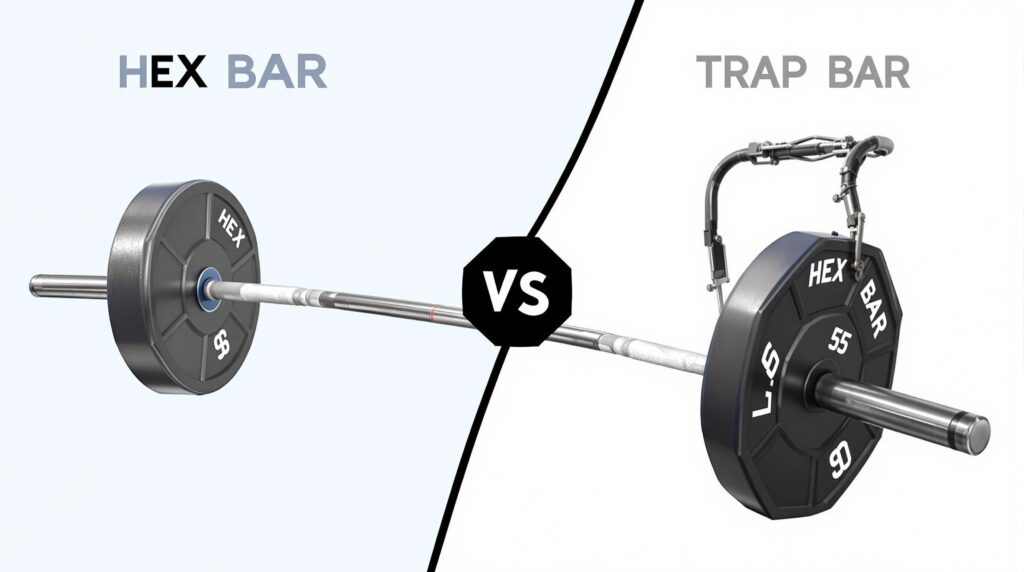

Discovering a crooked barbell in your gym equipment arsenal can seriously compromise your workout effectiveness and safety measures. When a barbell isn’t perfectly straight, it creates biomechanical imbalances that force your body to compensate unnaturally during lifts, potentially leading to injuries and limiting your strength development.
Key Takeaways
- A crooked barbell can create muscle imbalances and increase injury risk by up to 40%
- Regular equipment inspection is crucial – check for straightness before each heavy lifting session
- Even slight bends (2-3mm) can significantly impact form and exercise effectiveness
- Proper storage techniques help prevent barbell damage and maintain equipment integrity
- Most quality barbells should remain straight for 5-10 years under normal use conditions
Understanding Barbell Defects and Their Impact
A perfectly straight barbell is essential for performing exercises correctly and safely. When using a crooked barbell, weight distribution becomes uneven, forcing your body to compensate in ways that can throw off your form. This doesn’t just affect your gains—it can lead to serious injuries.
The primary issue occurs when one side of the bar carries more load than the other. This imbalance forces your muscles to work harder on one side, creating asymmetrical development over time. For competitive lifters, this can be particularly problematic as it hampers progress and performance metrics.
Pro Tip: Equipment Matters
The quality of your equipment dramatically affects your workout results. See our equipment recommendations →
Many lifters don’t realize they’re using bent equipment until they notice persistent form issues or unexpected soreness. By then, the damage to your training quality has already begun.
How to Identify a Bent Barbell
Detecting a crooked barbell requires attention to detail during your pre-workout equipment check. The most reliable method involves placing the barbell on a flat rack and observing if it rolls consistently in one direction. A properly straight bar should remain stationary.
Visual inspection also works in many cases. Place the barbell on the ground and look down its length from one end. Any deviation from a perfectly straight line indicates a problem. For Olympic lifters and those who follow CrossFit training methods, even minor bends can impact performance.
Pay special attention to these common signs of a bent barbell:
- Uneven spinning of sleeves when the bar is rotated
- Visible warping when viewed along the shaft
- Unusual rattling sounds during lifts
- Consistent leftward or rightward drift during lifts
- Plates that appear to sit at different heights when loaded
The Biomechanical Consequences of Using Bent Equipment
Using a crooked barbell forces your body into compensation patterns that can lead to serious musculoskeletal issues. Your natural movement patterns become disrupted as your body tries to balance the uneven load distribution.
During compound movements like squats and deadlifts, this compensation can place excessive stress on your spine, knees, and shoulders. Over time, this leads to muscle imbalances where one side becomes stronger than the other. For those aiming to match the accomplishments of world-class strength athletes, these imbalances create serious roadblocks.
The impact varies depending on the exercise being performed:
- In bench presses, uneven loads can strain shoulder joints and pectoral attachments
- During squats, spinal alignment suffers, increasing disc compression risks
- For overhead presses, shoulder and rotator cuff injuries become more likely
- During deadlifts, hip and lower back strain increases significantly
Prevention and Maintenance Strategies
Preventing barbell damage starts with proper handling and storage. Never drop loaded barbells from height, as this is the primary cause of bending. Always use proper lifting platforms with sufficient padding when performing Olympic lifts or deadlifts.
Regular inspection should become part of your gym routine. Before attempting any record-breaking lifts or heavy sets, take a moment to check your equipment. This simple habit can prevent injuries and ensure consistent training quality.
Implement these maintenance practices to extend your barbell’s lifespan:
- Store barbells horizontally on appropriate racks, never leaning against walls
- Clean chalk residue regularly to prevent corrosion
- Apply appropriate barbell oil to sleeves monthly
- Rotate which bar sections you load weights onto to distribute wear evenly
- Consider investing in higher tensile strength bars (190,000+ PSI) for heavy lifting
When to Replace Your Barbell
Even with perfect maintenance, barbells don’t last forever. Most quality bars should remain straight for 5-10 years under normal use conditions, but this varies based on usage intensity and quality. Low-quality barbells may bend within months of regular heavy use.
The decision to replace should be based on safety, not just aesthetics. If you notice consistent form issues, unexpected muscle soreness, or visible bending, it’s time to invest in new equipment. For serious lifters, the cost of a new barbell is minimal compared to potential medical bills from injuries.
Consider replacement when you observe:
- Visible permanent bends that don’t resolve when unloaded
- Sleeve wobble or instability during rotations
- Consistent tracking issues during lifts despite form corrections
- Rust or pitting that can’t be remediated with cleaning
Choosing a Quality Replacement Barbell
When selecting a new barbell, focus on tensile strength ratings rather than just price. A high-quality bar should have at least 165,000 PSI tensile strength for general training, while competitive lifters should look for 190,000+ PSI ratings.
Consider the knurling pattern and shaft diameter based on your lifting style. Olympic lifters typically prefer thinner bars with moderate knurling, while powerlifters benefit from thicker bars with aggressive grip patterns. The finish also matters—cerakote and stainless steel offer superior corrosion resistance compared to chrome or zinc coatings.
Remember that a quality barbell is an investment in your training future. The right bar not only reduces injury risk but can enhance your lifting performance through better grip, smoother rotations, and proper weight distribution.