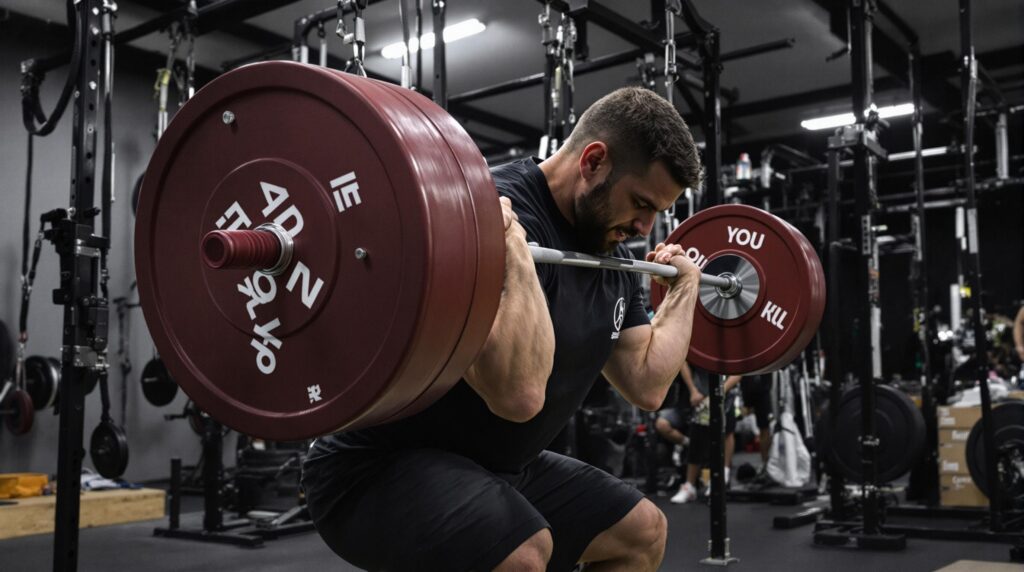
The Russian squat method offers a structured approach to strength training that has been proven effective by Olympic athletes and powerlifters worldwide. This time-tested program combines progressive overload principles with strategic volume manipulation to help lifters break through plateaus and develop remarkable leg strength while maintaining proper technique.
Key Takeaways
- The Russian squat method follows a 6-week progressive cycle designed specifically for strength development
- Training frequency of 2-3 times per week allows for proper recovery and adaptation
- The program emphasizes consistent form with submaximal weights to build strength without compromising technique
- Russian squat protocols typically work with 70-85% of your 1RM for optimal strength gains
- Proper warm-up routines and mobility work are essential components for successful implementation
Origins and Principles of the Russian Squat Method
The Russian squat method emerged from Soviet sports science during the mid-20th century when Russian weightlifters dominated international competitions. Unlike many modern training approaches that focus on constant variation, this system emphasizes consistent, structured progression with carefully calculated intensity and volume. The foundational principle revolves around gradually increasing weight while maintaining high rep counts, followed by a strategic taper period.
Pro Tip: Equipment Matters
The quality of your equipment dramatically affects your workout results. See our equipment recommendations →
What separates this approach from other training protocols is its emphasis on submaximal weights. Instead of constantly pushing near-maximal efforts, the Russian method has you working primarily in the 70-85% range of your 1RM. This allows for technical refinement while still providing sufficient stimulus for strength development. The program typically spans six weeks, with the first three focused on volume accumulation and the final three on intensity increases with reduced volume.
The Standard 6-Week Russian Squat Program Structure
The classic Russian squat program follows a straightforward yet highly effective format. You’ll train the squat 2-3 times weekly, with each session following a similar template but with progressing parameters. The beauty of this approach lies in its elegant simplicity and logical progression.
Here’s the typical structure for a 6-week cycle:
- Weeks 1-3: Gradual increase in volume using consistent weight (approximately 80% of 1RM)
- Weeks 4-6: Progressive increase in weight while decreasing rep counts
- Final week: Culminates with testing a new 1RM attempt
Each workout begins with proper warm-up sets, followed by working sets at the prescribed percentage. For example, a typical week 2 workout might include 6 sets of 6 reps at 80% of your 1RM, while by week 5, you might be performing 5 sets of 3 reps at 90% of your initial 1RM. This strategic manipulation of variables creates the perfect environment for strength adaptation.
Form and Technique Considerations for the Russian Squat
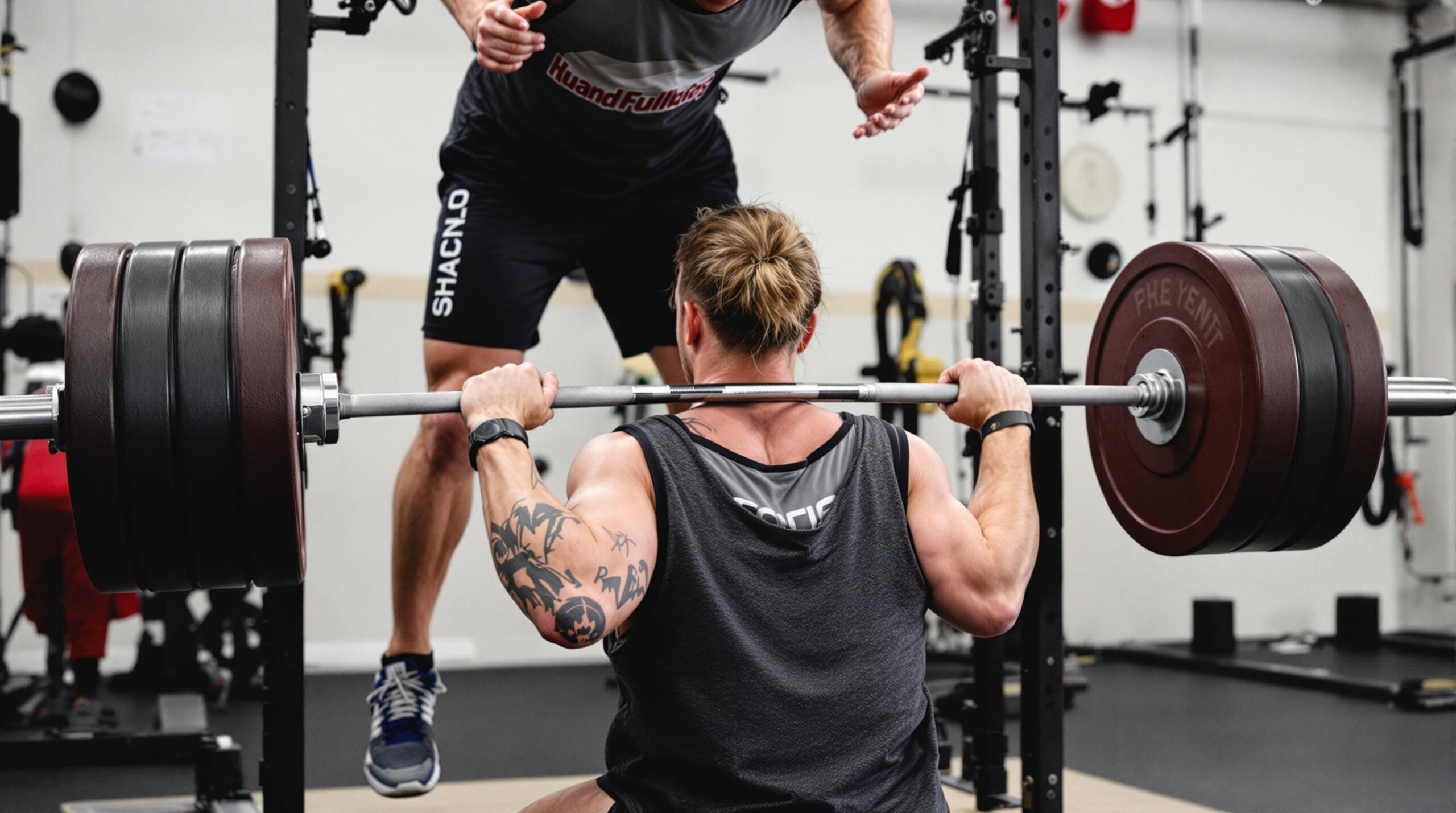
When executing a proper powerlifting squat form, several technical elements deserve special attention. Russian training methodology places tremendous emphasis on consistent technique across all sets, regardless of weight. This includes maintaining a neutral spine position, proper bracing, and consistent depth.
Key technique points to focus on:
- Set up with feet shoulder-width apart or slightly wider
- Create tension throughout your body before unracking
- Maintain a tight core and neutral spine throughout the movement
- Achieve proper depth (hip crease below top of knee)
- Drive through the mid-foot, not the toes or heels
The Russian approach doesn’t necessarily advocate for a particular squat style (high-bar vs. low-bar), but instead emphasizes technique consistency. What matters most is that you maintain the same form throughout the entire program to ensure proper motor pattern development and reduce injury risk.
Programming the Russian Squat Method for Different Goals
While the Russian squat method was originally developed for Olympic weightlifters and powerlifters, it can be adapted for various training goals. For pure strength development, the classic protocol works exceptionally well. For those focused on bodybuilding and muscle growth, you can modify the approach slightly.
For hypertrophy-focused trainees, consider these adjustments:
- Add 1-2 accessory exercises after your main squat work
- Slightly higher rep ranges (6-10 instead of 3-6)
- Focus on controlled eccentric (lowering) phases
- Shorter rest periods (60-90 seconds vs. 2-3 minutes)
For athletes in sports requiring explosive power, the Russian squat can be combined with plyometric work on separate days. This combination develops both maximal strength and rate of force development, creating a more complete power profile. The key is ensuring proper recovery between sessions, as the volume can be challenging.
Equipment and Setup Considerations
The Russian squat method doesn’t require specialized equipment, but certain tools can enhance your training experience. At minimum, you’ll need access to a squat rack, barbell, and weight plates. Many lifters find that proper footwear provides additional stability and comfort during heavy sets.
Consider these equipment options:
- Weightlifting shoes with elevated heels (0.5-0.75 inches) for improved ankle mobility
- A quality lifting belt for core support during heavier sets
- Knee sleeves for joint warmth and minor supportive properties
- Wrist wraps if holding the bar creates wrist discomfort
Some lifters also benefit from using a slant board or wedges under the heels if ankle mobility is limited. While not strictly part of the traditional Russian approach, these tools can help maintain proper form for those with specific anatomical limitations.
Recovery and Nutrition Requirements
The Russian squat method creates significant demands on your body, making recovery strategies crucial for success. Sleep becomes especially important during this program, with 7-9 hours nightly considered optimal for most trainees. Additionally, proper nutrition supports both performance and recovery.
Nutritional priorities should include:
- Adequate protein intake (1.6-2.2g per kg of bodyweight)
- Sufficient carbohydrates to fuel training sessions
- Strategic timing of nutrients around workouts
- Proper hydration throughout the day
Active recovery methods like light walking, swimming, or cycling on non-training days can promote blood flow without creating additional stress. Mobility work targeting the hips, ankles, and thoracic spine also helps maintain proper movement patterns and reduces injury risk during heavy training.
Common Mistakes and Troubleshooting
Even with a well-structured program like the Russian squat method, lifters commonly encounter challenges. One frequent error is starting with too high a percentage of your true 1RM, which can make completing the prescribed volumes nearly impossible by week 3. It’s better to underestimate slightly than overestimate your starting weight.
Other common pitfalls include:
- Insufficient warm-up routines before working sets
- Inconsistent technique as fatigue accumulates
- Adding extra exercises that interfere with recovery
- Skipping deload weeks after completing the cycle
If you find yourself unable to complete the prescribed sets and reps, it’s better to reduce the weight slightly rather than compromise form. The program works best when you can maintain technical consistency throughout all sets, even as fatigue builds toward the end of sessions.
Sample Russian Squat Workout
To help you visualize how to implement the Russian squat method, here’s a sample workout from week 2 of the program. This represents a moderate volume phase that helps build the foundation for later intensity increases.
Warm-up sequence:
- 5 minutes of light cardio
- Dynamic mobility work for hips, ankles, and thoracic spine
- Empty bar: 2 sets of 10 reps
- 40% 1RM: 5 reps
- 60% 1RM: 3 reps
- 70% 1RM: 2 reps
Working sets:
- 80% 1RM: 6 sets of 6 reps (3-minute rest between sets)
Post-workout:
- Light quad and hamstring stretching
- 10 minutes of walking to promote blood flow
This workout should be performed 2-3 times per week with at least 48 hours between sessions to allow for adequate recovery. The total time commitment is typically 45-60 minutes per session, making it time-efficient despite its effectiveness.
Adapting the Russian Squat Method for Different Experience Levels
While the Russian squat method is highly effective, it requires appropriate modifications based on training experience. Beginners should focus first on developing consistent technique before attempting this program. For those with 6-12 months of squat experience, a modified version with reduced volume makes more sense.
Experience-based modifications:
- Beginners (0-6 months): Focus on technique with 3×5 at moderate weights
- Intermediate (6-24 months): Use 70-75% of 1RM instead of 80-85%
- Advanced (2+ years): Follow the standard protocol as written
For older lifters or those with previous injuries, reducing frequency to twice weekly and adding an extra recovery day between sessions can help manage fatigue. The principles remain the same, but the implementation becomes more personalized to your specific situation and recovery capacity.
Conclusion: Is the Russian Squat Method Right for You?
The Russian squat method offers a proven system for developing lower body strength with an emphasis on technical consistency. Its structured progression provides a clear roadmap for improvement, while the submaximal loading strategy reduces injury risk compared to constant max-effort training.