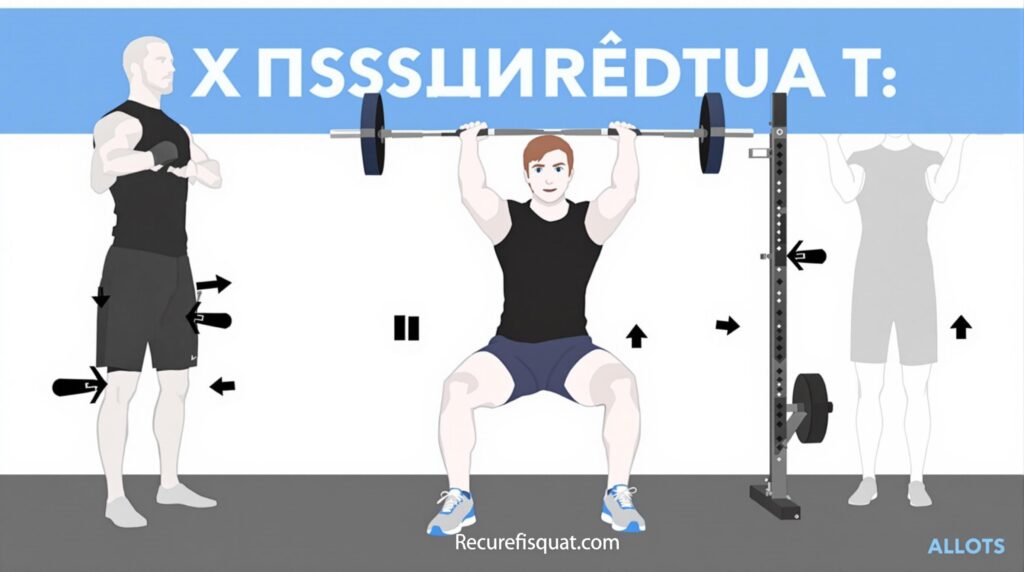
The Russian squat method has gained popularity in strength training circles for its disciplined, systematic approach to building leg strength through progressive overload. This technique, developed from Soviet weightlifting programs, emphasizes gradual intensity increases combined with strategic volume manipulation to create significant strength and muscle gains while minimizing injury risk.
Key Takeaways
- The Russian squat program features a 6-week progressive cycle that systematically increases intensity while adjusting volume
- Training with 80% of your 1RM and gradually increasing to 90-100% maximizes strength gains while preventing burnout
- The program’s periodization strategy prevents plateaus by alternating volume and intensity phases
- Perfect form when you squat Russian style is essential, focusing on depth, bracing, and bar path
- Recovery between sessions is critical for adaptation, requiring proper nutrition, sleep, and mobility work
What Is the Russian Squat Method?
The Russian squat method is a structured strength training program derived from Soviet-era weightlifting protocols. Unlike random squat workouts, this method follows a precise 6-week cycle that gradually increases intensity while strategically manipulating volume. The approach centers on building maximal strength through progressive overload while maintaining excellent technique throughout.
Pro Tip: Equipment Matters
The quality of your equipment dramatically affects your workout results. See our equipment recommendations →
What makes this method unique is its calculated progression system. You’ll start with moderate weights (around 80% of your one-rep maximum) and gradually work up to near-maximal loads by the program’s end. This methodical increase allows your body to adapt safely while consistently challenging your muscles and nervous system to develop greater force production capabilities.
The 6-Week Russian Squat Program Structure
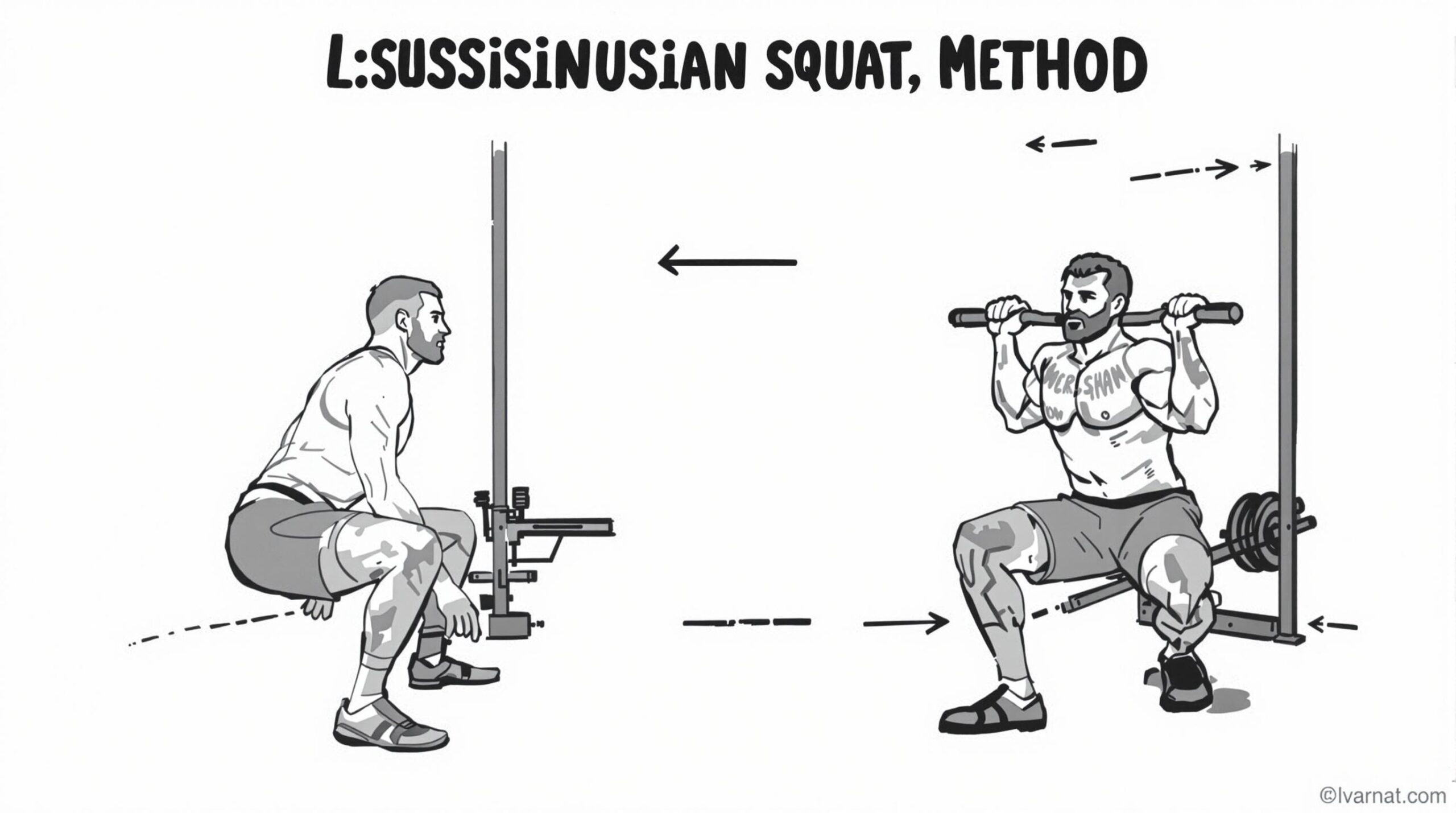
The Russian squat method follows a carefully designed progression over six weeks. During the first three weeks, you’ll focus on building volume with moderate weights. The second three-week phase shifts toward higher intensity with reduced volume. This periodization strategy prevents plateaus and optimizes both strength and hypertrophy gains.
Here’s how a typical 6-week program is structured:
- Week 1: 6 sets of 2 reps at 80% 1RM (twice weekly)
- Week 2: 6 sets of 4 reps at 80% 1RM (twice weekly)
- Week 3: 6 sets of 6 reps at 80% 1RM (twice weekly)
- Week 4: 5 sets of 5 reps at 85% 1RM (twice weekly)
- Week 5: 4 sets of 4 reps at 90% 1RM (twice weekly)
- Week 6: 3 sets of 3 reps at 95% 1RM, culminating in a new 1RM test
This structure creates a wave-like loading pattern that allows for adequate recovery while continuously challenging your muscles. The beauty of this approach is its balance—you’re working hard enough to stimulate growth but not so hard that recovery becomes impossible.
Perfect Form for the Russian Squat
When you master proper squat form, you maximize results while minimizing injury risk. The Russian approach places tremendous emphasis on technique, particularly as weights increase throughout the program.
Key technical elements to focus on include:
- Bar placement: Position the bar across your upper traps for high bar or lower on your rear delts for low bar
- Stance width: Typically shoulder-width or slightly wider with toes pointed slightly outward
- Depth: Reach at least parallel depth where your hip crease drops below knee level
- Core bracing: Create maximum abdominal pressure against your belt before descending
- Back position: Maintain a neutral spine throughout the movement, avoiding excessive forward lean
Each rep should follow the same precise movement pattern. This consistency is crucial when handling the heavier weights in the later weeks of the program. Take your time to set up properly before each set, and consider using video recording to analyze your form regularly.
Recovery and Nutrition Support
The Russian squat method places significant demands on your body, making recovery between sessions absolutely critical. Without proper recovery protocols, you’ll quickly overtrain and fail to progress through the program as intended.
Your recovery strategy should include:
- Adequate protein intake (1.6-2.2g per kg of bodyweight daily)
- Sufficient caloric intake to support training (slight surplus often works best)
- 7-9 hours of quality sleep nightly
- Strategic mobility work for hips, ankles, and thoracic spine
- Active recovery days with light movement (walking, swimming, etc.)
I recommend planning the program during a period when life stressors are relatively low. The cumulative fatigue from this training style requires mental and physical bandwidth that might be compromised during high-stress periods at work or in your personal life.
Adapting the Russian Method for Different Goals
While the traditional Russian squat method focuses primarily on strength, it can be modified for various training objectives. For bodybuilders seeking more hypertrophy, adding accessory exercises and slightly higher rep ranges can enhance muscle growth while maintaining the core progression structure.
For those focused on building bigger legs through squats, consider these modifications:
- Add 2-3 accessory exercises after your main squat work (leg extensions, Romanian deadlifts, etc.)
- Incorporate tempo work on some sets (4-second lowering phase)
- Consider slightly higher rep ranges (6-8 instead of 2-6)
- Implement shorter rest periods (90-120 seconds rather than 2-3 minutes)
Athletes with specific performance goals might benefit from sport-specific adaptations, such as adding plyometric work on separate days or incorporating pause squats to enhance positional strength.
Overcoming Common Challenges
Many lifters face obstacles when implementing the Russian squat method. Being aware of these potential roadblocks can help you navigate them successfully.
One common issue is improper weight selection. Starting too heavy often leads to technique breakdown and failure to complete the prescribed volume. I recommend using 80% of a conservative 1RM estimate rather than your absolute best lift ever. This approach allows for progress while maintaining quality reps throughout.
Another challenge is maintaining motivation during the volume phase. The early weeks can feel deceptively easy, leading some lifters to add extra work that compromises recovery. Trust the process—those seemingly easy sets accumulate fatigue that prepares your body for the intensity phase to come.
Consider using slant boards during squats if ankle mobility limits your depth. This modification maintains the program’s effectiveness while accommodating individual limitations.
Measuring Success Beyond the Numbers
While the Russian squat method will likely increase your 1RM, true success extends beyond simply adding weight to the bar. Pay attention to qualitative improvements such as movement quality, recovery capacity, and subjective feelings of strength.
After completing the six-week cycle, assess these markers of progress:
- Technical proficiency at higher percentages of your max
- Recovery time needed between challenging sets
- Confidence under heavy loads
- General lower body functionality and resilience
- Body composition changes (if relevant to your goals)
Many lifters report that weights that once felt impossibly heavy now feel manageable. This subjective improvement in strength is often more valuable than the absolute numbers, as it reflects real nervous system adaptation and skill development.
Conclusion: Is the Russian Squat Method Right for You?
The Russian squat method offers a proven framework for developing lower body strength through systematic progression. Its emphasis on perfect technique, strategic volume, and intensity manipulation makes it suitable for intermediate to advanced lifters looking to break through plateaus.
This approach isn’t magic—it’s applied science built on decades of weightlifting experience. The program works because it respects fundamental training principles: progressive overload, adequate volume, appropriate intensity, and planned recovery.
If you’re willing to commit to the structure and have the patience to trust the process, the Russian squat method can transform not just your squat numbers but your entire approach to strength training. The discipline and attention to detail you’ll develop may well become the most valuable takeaway from this challenging but rewarding program.