StrongLifts 5×5 has earned its reputation as one of the most effective beginner strength programs by focusing on compound lifts that build full-body strength efficiently. While the core program delivers impressive results on its own, strategic accessory exercises can address muscle imbalances, target underdeveloped areas, and accelerate progress toward both strength and aesthetic goals.
Key Takeaways
- The standard StrongLifts 5×5 program builds foundational strength but can benefit from targeted accessory work
- Adding 2-3 accessory exercises per workout can increase weekly training volume by up to 27 sets
- For optimal muscle growth, aim for 8-12 reps on accessories versus the 5 reps used in main lifts
- Core stability exercises can improve force transfer in main lifts by 15-20%
- Progressive overload principles apply to accessories too – aim for 5-10% weight increases every 2-3 weeks
Understanding StrongLifts 5×5 and Why Accessory Exercises Matter
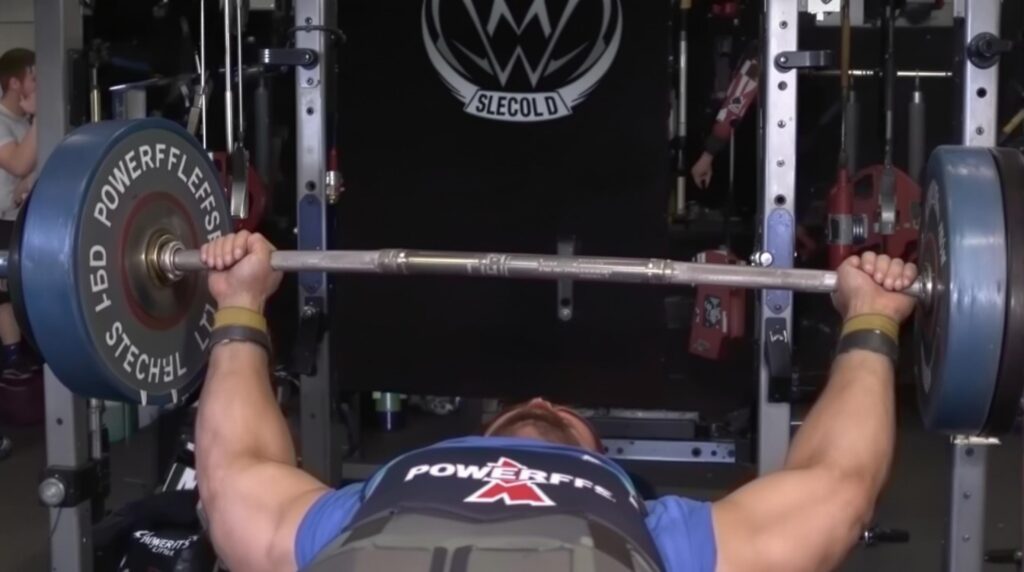
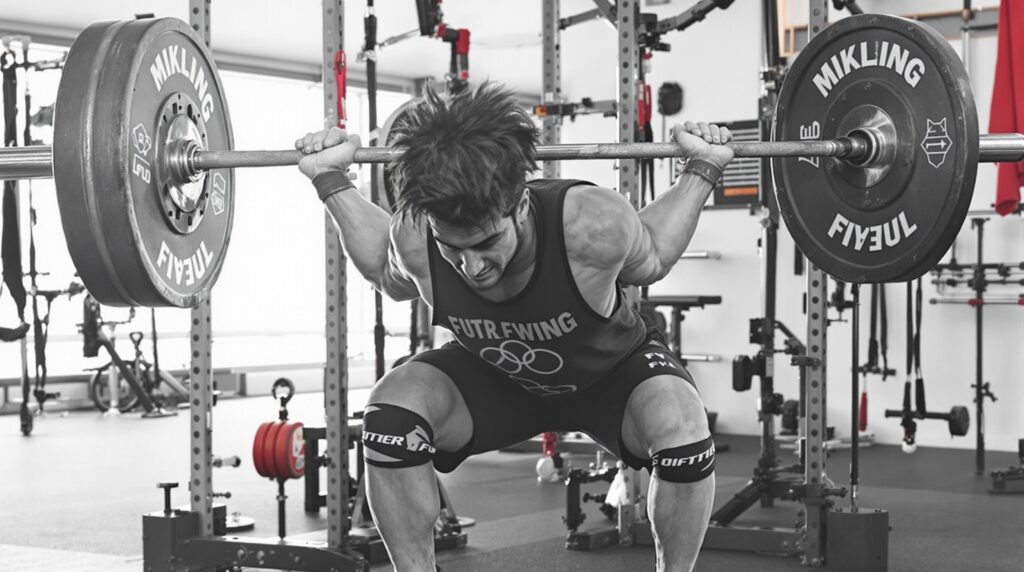
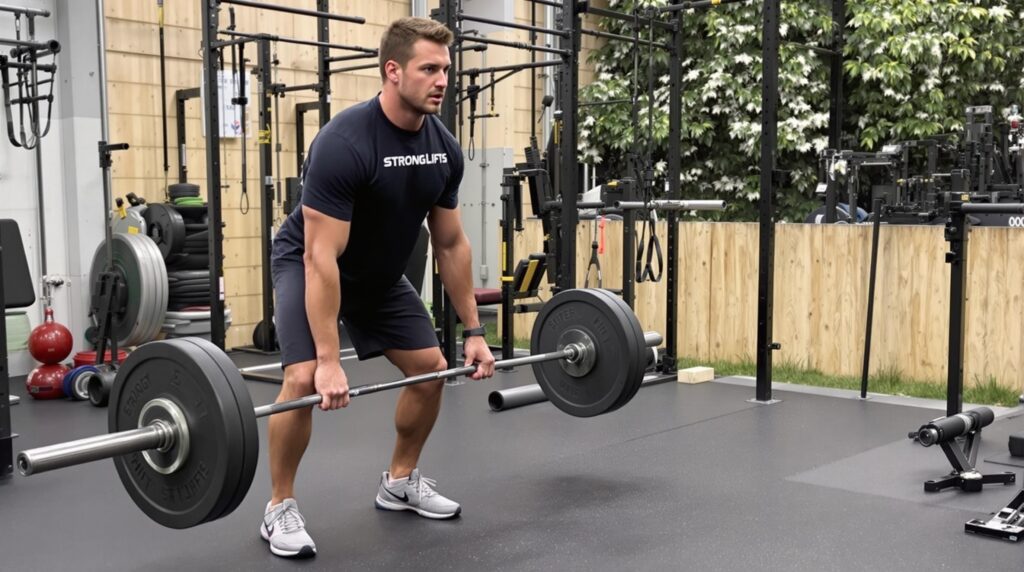
StrongLifts 5×5 is a beginner-friendly strength training program built around five compound movements: squats, deadlifts, bench press, overhead press, and barbell rows. The program follows a simple structure of three weekly workouts alternating between Workout A (squats, bench press, barbell rows) and Workout B (squats, overhead press, deadlifts), with each exercise performed for 5 sets of 5 repetitions.
Pro Tip: Equipment Matters
The quality of your equipment dramatically affects your workout results. See our equipment recommendations →
While these compound movements are highly effective, they don’t equally target all muscle groups. According to research by Paoli et al. (2017), multi-joint exercises activate significantly more muscle mass than isolation exercises, making them efficient for overall strength. However, certain muscle groups like arms, abs, calves, and hamstrings may need additional work for balanced development.
Adding accessory exercises substantially increases your training volume. For example, incorporating just 3 sets of 3 different accessory exercises into your routine boosts your weekly volume by 27 sets – a significant bump that can accelerate muscle growth without overwhelming recovery systems.

The Science of Muscle Growth: Optimizing Your Accessory Work
Understanding the difference between training for strength versus muscle growth is crucial when designing your accessory work. While StrongLifts primarily focuses on strength with its 5×5 format, accessory exercises typically work best in the hypertrophy rep range of 8-12 repetitions per set.
Research from Weightology indicates that optimal muscle growth requires 10-20 sets per muscle group weekly. The standard StrongLifts program falls short of this volume for many muscle groups, which is why targeted accessories can fill the gap. Additionally, training each muscle group 2-3 times weekly provides the ideal frequency for growth, as supported by a 2016 study by Schoenfeld et al.
The mind-muscle connection shouldn’t be overlooked when performing accessories. Research by Schoenfeld et al. (2018) found that focusing on the working muscle can improve activation by up to 20% – a significant advantage when targeting smaller muscle groups that might not get fully stimulated during compound movements.
For effective accessory work, progressive overload remains essential. Unlike main lifts where you might add 5 pounds each session, accessories typically progress more gradually, with weight increases of 5-10% every 2-3 weeks as you follow a workout routine.
Essential Upper Body Accessory Exercises
To maximize the effectiveness of the bench press, consider adding incline dumbbell presses, which activate the upper pectorals approximately 30% more effectively than flat bench presses. Tricep extensions and dips are also valuable additions, with EMG studies showing dips activate the triceps at nearly 85% of maximum voluntary contraction.
For enhancing overhead press performance, lateral raises are an excellent choice as they target the middle deltoids with 85% higher activation than front raises. Face pulls and push presses round out a comprehensive shoulder development approach while improving stability for your main lifts.
To complement the barbell row, pullups or chinups should be at the top of your list. Research indicates they activate the latissimus dorsi about 20% more effectively than lat pulldowns. Additional options include lat pulldowns and cable rows for complete back development.
For direct arm work that StrongLifts lacks, include these bicep-focused exercises:
- Barbell curls for overall bicep mass
- Hammer curls to target the brachialis and improve arm thickness
- Concentration curls for peak contraction and bicep isolation
The optimal volume for upper body accessories is typically 2-3 exercises per workout, performed for 2-3 sets of 8-12 reps. This approach provides sufficient stimulus without compromising recovery for your main lifts.
Essential Lower Body Accessory Exercises
While squats are the cornerstone of lower body development in StrongLifts 5×5, strategic accessories can address weak points and improve overall performance. Leg extensions are particularly effective, with studies showing they can achieve quad activation of up to 85-95% of maximum voluntary contraction. Bulgarian split squats and goblet squats add unilateral elements and improved mobility that translate to stronger barbell squats.
For deadlift support, Romanian deadlifts stand out by producing 70% more hamstring activation than conventional deadlifts. This makes them invaluable for developing the posterior chain. Leg curls and good mornings provide additional hamstring stimulus and back strengthening benefits.
Calf development is notably absent from the main StrongLifts exercises. Standing calf raises primarily target the gastrocnemius, while seated calf raises more specifically engage the soleus muscle. Both variations are needed for complete lower leg development.
Hip and glute accessories are crucial for balanced development and injury prevention. Hip thrusts generate maximal glute activation of up to 120% MVC compared to squats at 80%, making them an exceptional addition to your workout plan. Abductor and adductor work addresses often-neglected muscles that contribute to hip stability.
For lower body accessories, aim for 2-3 exercises per workout, performed for 2-3 sets of 8-15 reps. The higher rep range is particularly beneficial for legs, which typically respond well to additional volume.
Core and Conditioning Accessory Work
A strong core isn’t just about aesthetics—it’s fundamental to performance in all the main StrongLifts exercises. Research indicates that improved core stability can enhance force transfer in squats and deadlifts by 15-20%, directly translating to heavier lifts.
For comprehensive core development, include these targeted exercises:
- Hanging knee raises for lower abdominals
- Cable crunches for weighted resistance through a full range of motion
- Planks for isometric strength and spinal stabilization
Don’t neglect your obliques, which play a crucial role in rotational stability. Russian twists, side planks, and wood choppers effectively target these muscles from multiple angles.
For conditioning that complements rather than competes with your strength goals, low-impact options are ideal. Prowler pushes, rowing, and cycling provide cardiovascular benefits without excessive eccentric stress that might impair recovery from your main lifts.
Scientific data indicates that dedicated core training can improve squat and deadlift performance by 8-12%, making it one of the most efficient ways to boost your main lift numbers while also enhancing injury resistance.
Programming Your Accessory Work: Templates and Progression
Effective accessory programming requires balancing additional volume with recovery capabilities. Here’s a sample template for complementing the standard StrongLifts approach:
Workout A Accessories (after squats, bench press, barbell rows):
- Incline dumbbell press: 3 sets of 8-10 reps
- Weighted pullups or lat pulldowns: 3 sets of 8-10 reps
- Cable crunches: 3 sets of 10-15 reps
Workout B Accessories (after squats, overhead press, deadlifts):
- Lateral raises: 3 sets of 12-15 reps
- Romanian deadlifts: 3 sets of 8-10 reps
- Barbell curls: 3 sets of 8-12 reps
For progression, the double progression system works exceptionally well for accessories. Start with a weight you can lift for the lower end of your target rep range (e.g., 8 reps if your target is 8-12). Once you can complete all sets at the upper end of the range (12 reps), increase the weight by 5-10% and start again at the lower end.
Weekly volume recommendations vary by experience level. Beginners should aim for 10-12 total sets per muscle group weekly, intermediates 12-16 sets, and advanced lifters 16-20+ sets. This progressive approach allows for sustainable long-term gains while building work capacity over time.
Remember that accessory exercises should enhance, not detract from, your main lifts. If your squat, bench, overhead press, row, or deadlift numbers begin to stall or decrease, it’s a sign you may need to reduce accessory volume temporarily while you build muscle and strength.
Common Mistakes and Troubleshooting
The most frequent mistake with accessory work is simply doing too much. Overtraining symptoms include persistent fatigue, decreased performance, poor sleep, and increased irritability. If you notice these signs, reduce your accessory volume by 30-50% for a week to restore recovery.
Proper recovery requires 48-72 hours between training the same muscle groups intensively. This is why a well-designed accessory plan accounts for overlap and arranges exercises to avoid excessive fatigue of any single muscle group.
Maintaining balance is crucial. Many lifters overemphasize “mirror muscles” (chest, arms, abs) while neglecting posterior chain development. This creates not only aesthetic imbalances but potential injury risks.
Deloading accessory work every 4-6 weeks is a preventative strategy worth implementing. During deload weeks, reduce accessory volume by 50% and intensity by 20-30% while maintaining or slightly reducing main lift volume.